


Jing Wang & Harvey Goldman – Passaddhi
USA 9:07Synopsis: Lost in tranquility, the ethereal sounds and imagery of the inner mind struggle to maintain their primal elegance, as turbulence from the world beyond begins to infringe on their domain. The transcendent inner soundscapes of the imagination are ever vigilant as they rumble with the vestiges of human endeavor. Passahhdi is an abstract experimental animation. A melding of sound and image that explores both the emotional relationships and the commonality of their formal language. The manner in which the elemental components of the underlying structure, such as line, shape, color/timbre and form, as well as principals, such as harmony, balance, rhythm, and counterpoint, translate between the auditory and visual experience is a primary concern.
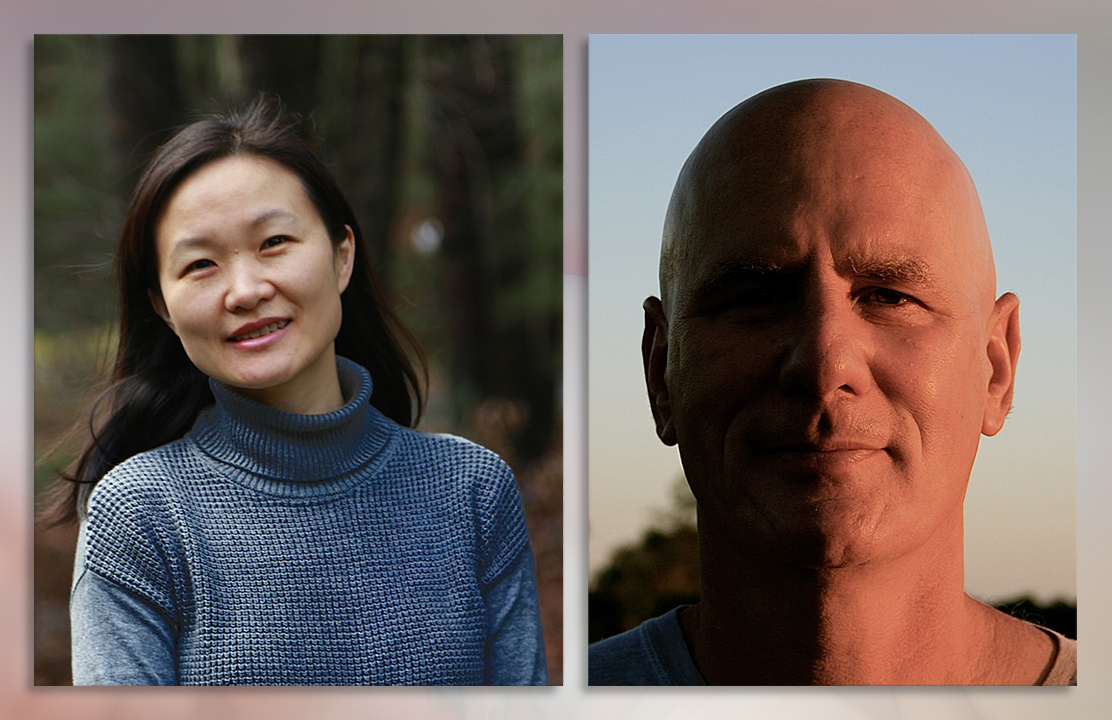 Bios: Jing Wang, a composer and virtuoso erhu artist, was born in China. Ms. Wang has participated in numerous musical communities, as a composer and a performer of diverse styles of music. Her compositions have been selected and presented in China, Spain, France, Italy, Serbia, Turkey, Romania, Russia, Australia, Japan, Argentina, and throughout the United States. They have also been recognized by the American Society of Composers, Authors, and Publishers and Electro-acoustic Miniatures International Contest Spain. She was the winner of 2006 Pauline Oliveros Prize given by the International Alliance for Women in Music and has been awarded the MacDowell Colony Fellowship, the Vilcek Foundation Fellowship, and the Omi International Musicians Residency Fellowship. As an active erhu performer, she has introduced the Chinese indigenous erhu into Western contemporary music scene with her wide array of compositions for chamber ensemble, avant-garde jazz improvisations and multicultural ensembles. She has also successfully performed erhu concertos with several symphony orchestras in the United States. Ms. Wang is currently an Assistant Professor of Music at the University of Massachusetts Dartmouth where she teaches electroacoustic music, composition, and music theory.
Harvey Goldman has created critically acclaimed work in the fields of ceramics, digital imaging, animation and music. He is founder of the Digital Media program at the University of Massachusetts Dartmouth. His work has been exhibited widely throughout the United States, Europe and Asia. He has received grants from the National Endowment for the Arts, The Ford Foundation and the Massachusetts Council on the Arts and Humanities. Goldman’s work is included in numerous private and public collections including the Iota Center for Experimental Animation, Boston Museum of Fine Arts, Everson Museum of Art, Decordova Museum, Currier Museum of Art, and the Crocker Art Museum. His animations have been screened throughout the world including, the Smithsonian’s Hirshhon Museum, the Corcoran Gallery of Art and the White Box Museum, Beijing, China. His interests include gardening, storytelling, world music, sound exploration, language development, writing systems and basketball. He resides in Dartmouth, Massachusetts with his wife and fellow artist, Deborah Coolidge.
Read more »
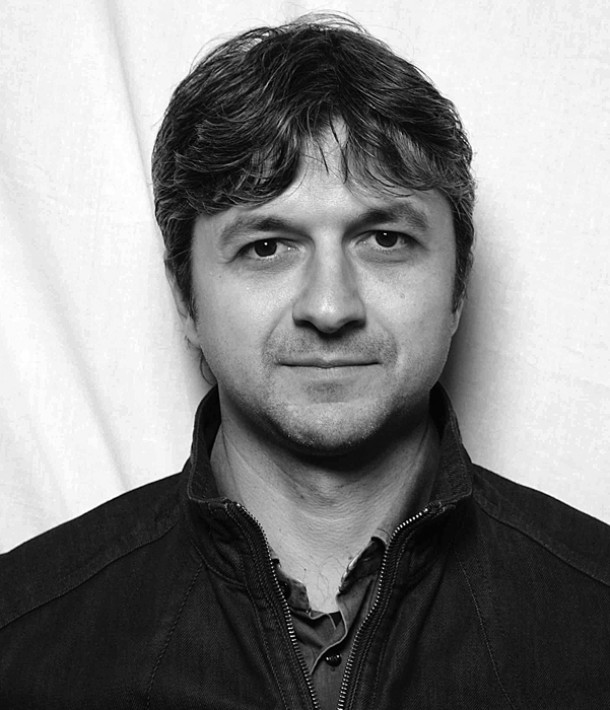 Bio: Igor Grubic (born in 1969, lives and works in Zagreb) has been active as a multimedia artist since 1995. His work includes site-specific interventions in public spaces, performances, photography and films. He is known for his activism and his consideration about public space as a means of expression. In 2000, he started to work as a producer and author of documentaries, TV reportages and socially committed commercials. His work has been exhibited in various international institutions and at different artistic and cultural events and garnered with several prestigious awards.
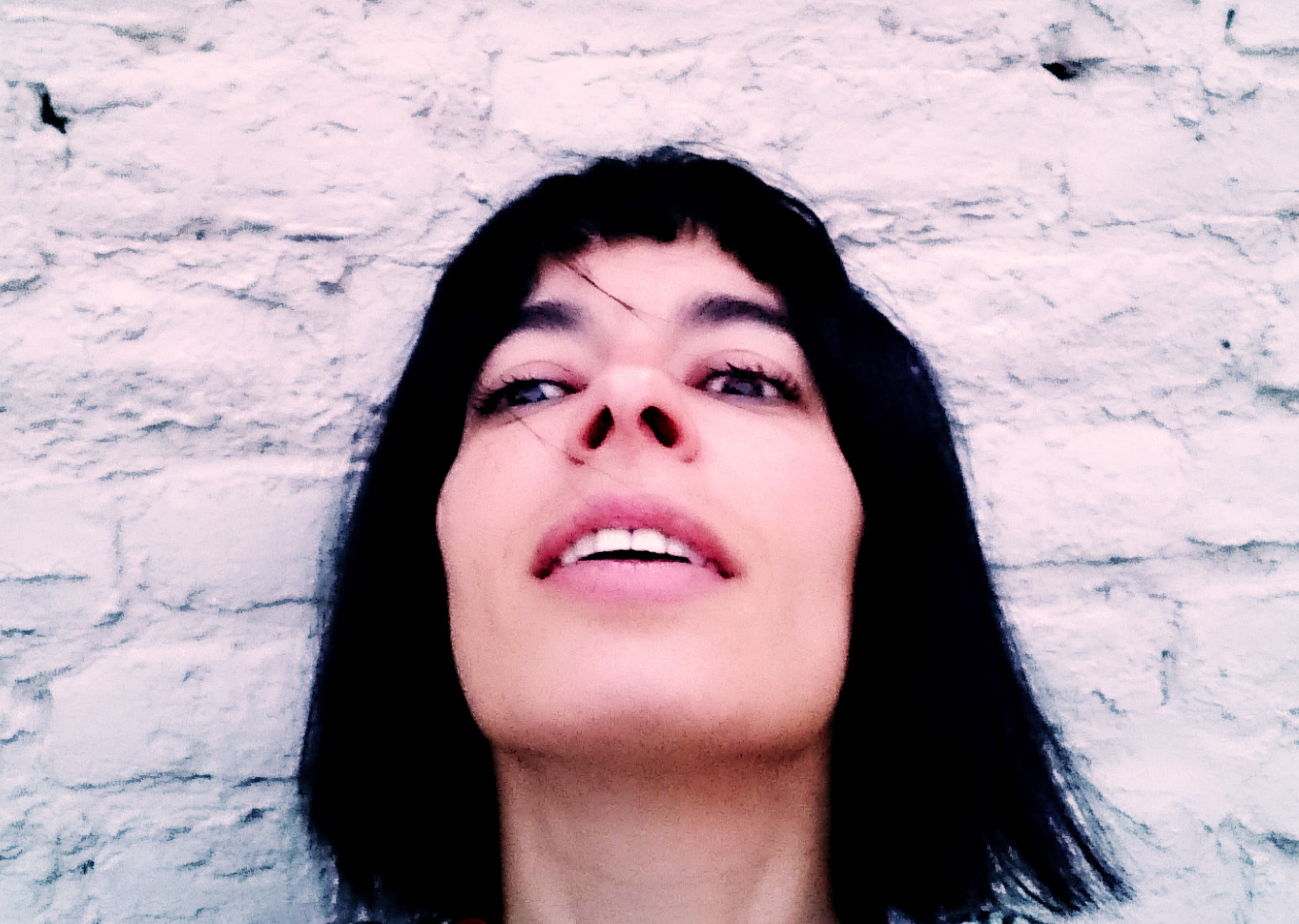 Bio: Jai Du (Spain-Bilbao) starts her professional career as a business consultant in 2000, mainly working for banks and government institutions where she normally spent more than 12 hours/day. In 2008, thanks to a tragic accident and kidnapping suffered in Africa, which almost ends up with her life, she realizes about the lack of sense of passing life working at offices such amount of hours. Thus, she decides to fulfill her real life mission by starting talking and writing about the topics that nobody from her social and job sector would talk freely due to the fear of being fired or excluded. So, she becomes an artist with a hidden identity under the alter ego of Jai Du. In her first video performances emerge topics such as the internal conflicts and dependencies that the System’s rules produce in the citizens (the idea of personal success based only on “specific” professional careers, the current roles of the women in the different job sectors, the migration of people in search of a prosperous country, etc.) and, currently, her work involves the concept of the collective unconsciousness (C.G.Jung) and, the use of archetypes and mathematic series in order to create/activate specific emotions in the audience.
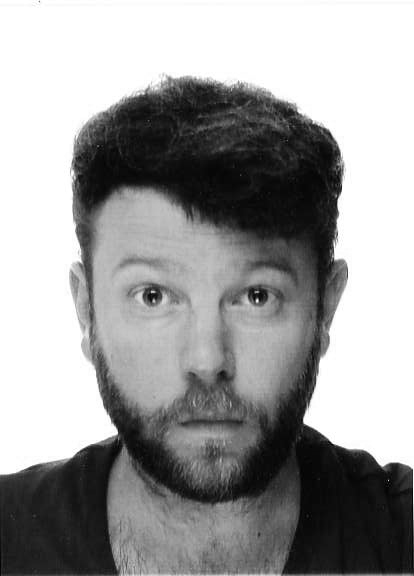 Bio: Jeroen Cluckers (BE) is a video artist and experimental filmmaker. He explores the audiovisual potential of video and film by researching, deconstructing and transforming the language of both media. He attempts to write audiovisual poetry, resulting in dreamlike, often painterly images that leave traces and balance on the edge of recognition and alienation. His work has been exhibited in more than 20 countries, at festivals and venues like FILE Festival, The Hermitage Museum, Kasseler Dokfest, Ludwig Forum für Internationale Kunst, Internationale Kurzfilmwoche Regensburg, Athens Digital Arts Festival and ISEA.
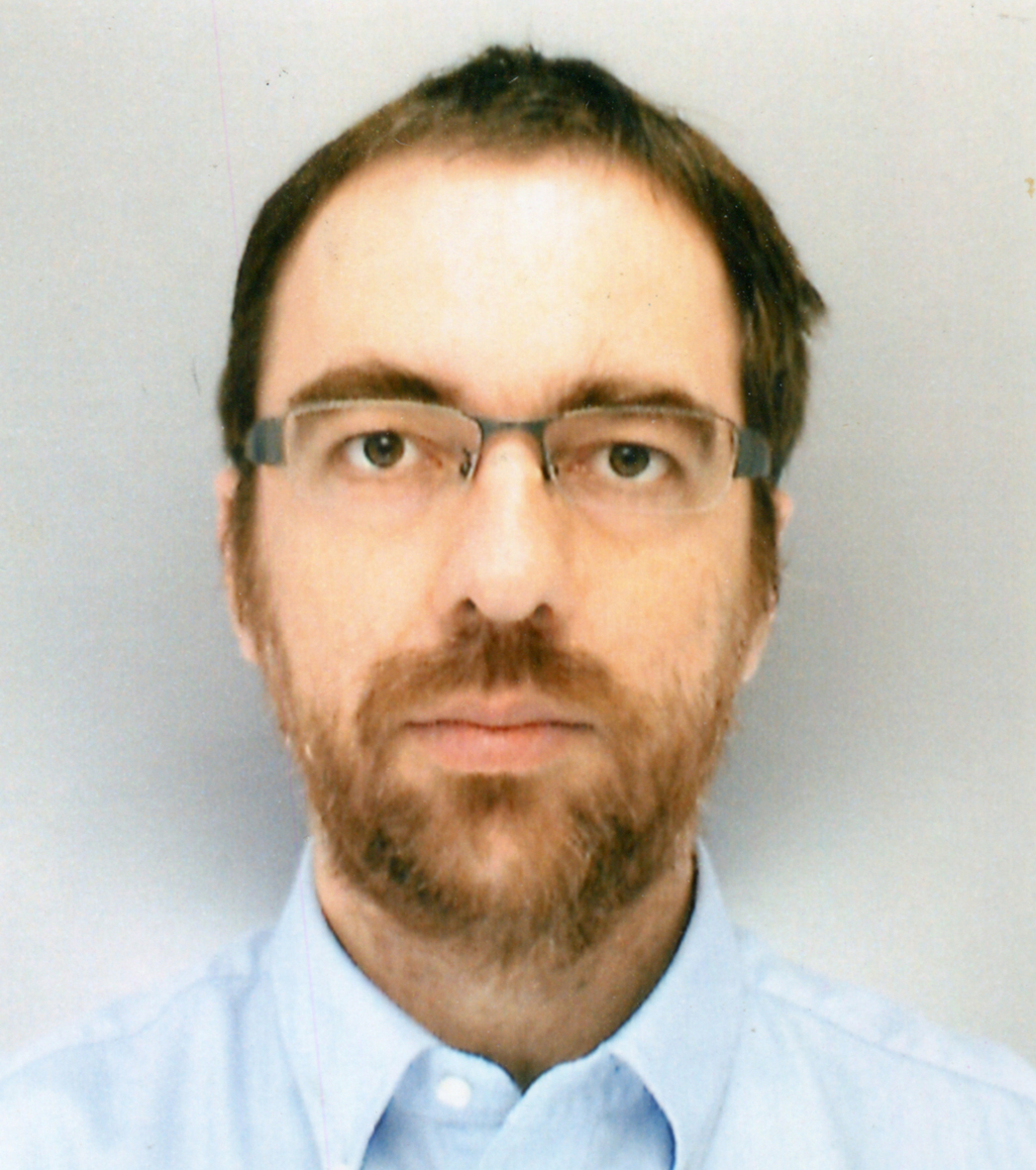 Bio: Jerome Boulbes studied at the “École Nationale des Arts Décoratifs” in Paris where he got a master degree in Illustration. In 1999 his first short film, “Le Puits” (The Well), obtained numerous prizes in festivals. Five other shorts followed: “La Mort de Tau” (The Death of Tau, 2001), “Rascagnes” (2003), “Éclosion” (Emergence, 2006), “Masques” (Masks, 2009) and “Le Printemps” (The Spring, 2012), “Ghosts World” (2014). In these films, he tried to develop his own fantastic and poetic universe and to explore the possibilities of 3D computer generated images. He attended two artist residences: «Villa Kujoyama» in Kyoto in 2007 and «Maison des Auteurs» in Angouleme (France) in 2008. He has been teaching computer graphics and animation in schools and he is now faculty member of the Kyushu Sangyo University in Japan.